
What Does One Battle After Another Say About Parenthood
The most recent winner for Best Picture at the Oscars is about a lot of things, but one of it's biggest things it touches is how parenthood shapes/doesn't shape a child.

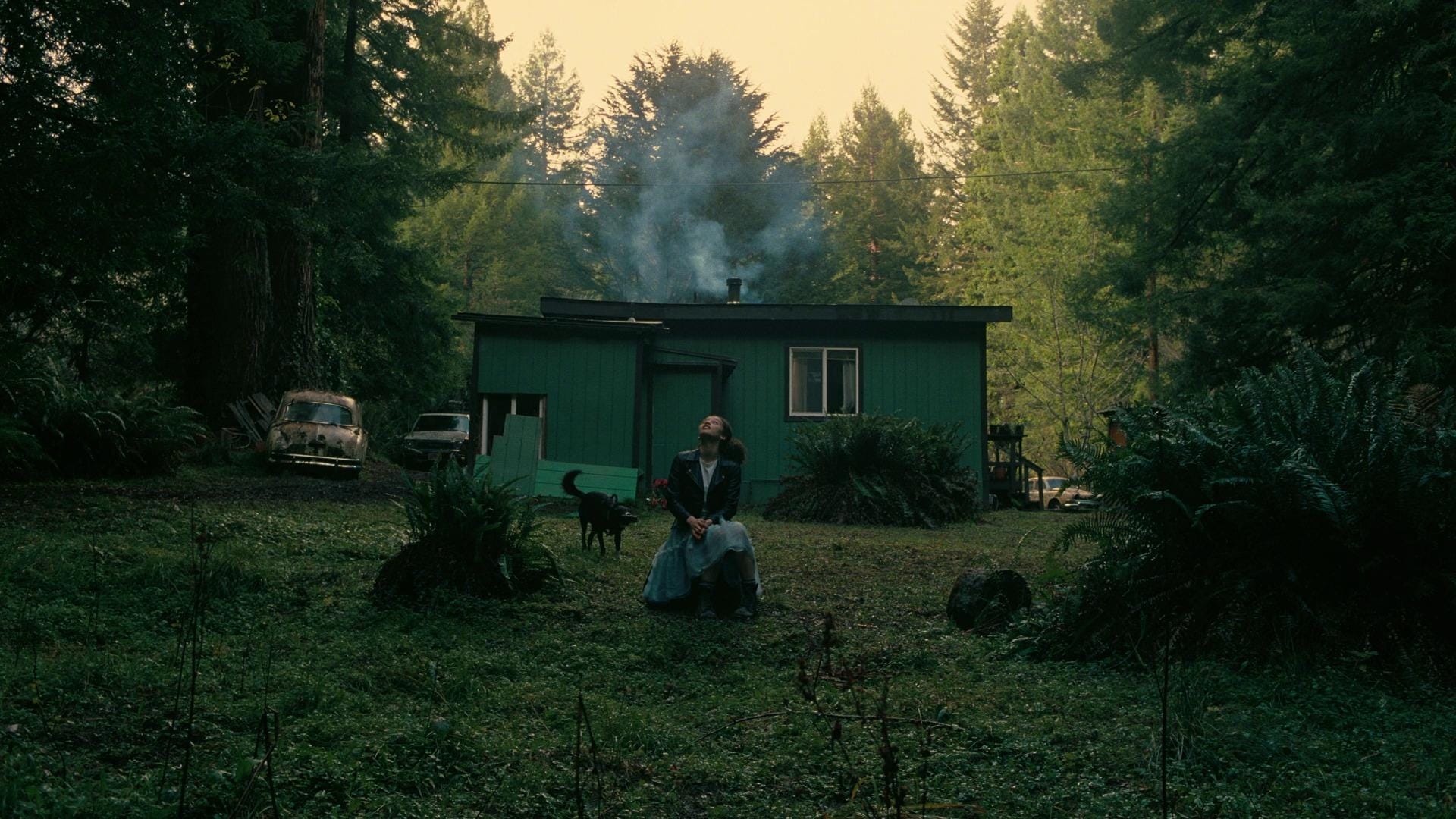
Originally Posted on my Letterboxd on June 21st, 2026
Warning: This will contain spoilers for One Battle After Another
“We’re talking about freedom, baby. We’re talking about freedom. Freedom’s a funny thing, isn’t it? When you have it, you don’t appreciate it, and when you miss it, it’s gone. It’s just gone.”
Out of all the things One Battle After Another is about, one thing this film is about is the failure to be a proper parent and how that failure can affect the child at large. Especially when the failure is connected to their past/the world they’re living in.
For Bob, when he became a father, he gave up the fight he had been a part of for so long, because he knew how dangerous the fight was, and he knew that Perfidia got herself into that dangerous fight. So much so that it caused her and her fellow fighters (many of whom Bob knew very well) to not only get caught, but also to be killed, and even to let Perfidia not be there for the child she gave birth to. Leaving Bob and Willa to leave and begin a new life. Away from the revolutionary fight at large.
For Perfida, when she gave birth to Willa, she knew that having a kid had messed up her mental state, because all she knew (or at least from what we’ve seen from her in the film) was constantly fighting and taking down the wicked forces that stemmed from it at large. Even taking advantage of others in the process. But she doesn’t know how when the fight is over, even when giving Willa to the world she knows it’s ugly for anyone to witness, no matter how old they are, and her actions eventually lead her into hiding after giving up her ability to fight in order to protect herself, but at the cost of losing her friends/allies in the process, and isolating herself from those who cared about her, including Bob. Never getting the chance to be a proper mother to Willa, and teach her how to fight as she did.
The film explores the two sides of parenthood and what they mean to the different members of the family. Between Bob wanting to leave the fight and be a traditional father, and Perfida not wanting to give up the fight in order to be a traditional mother, and the choices they made because they were both in the same fight, causes them to individually be separated from a future they could’ve had if they wanted to.
But what does this mean for Willa?
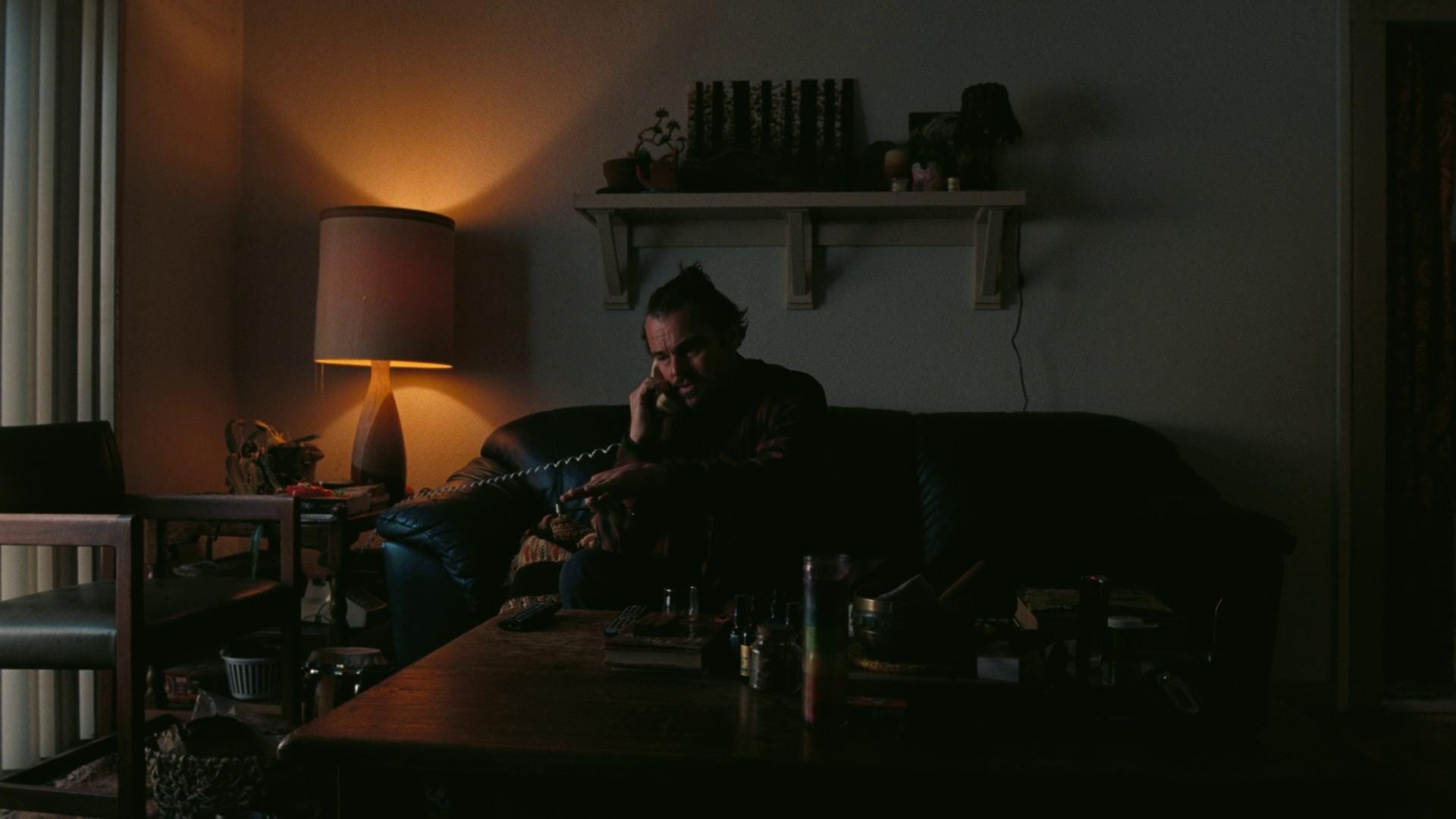
“Sixteen years later, the world had changed very little.”
When we see Willa and Bob 16 years later, we see Willa taking karate classes with Sensei, practicing the ways of combat and confidence to take down any threat with no fear, while Bob is content to lie low, be a drug and alcohol lover, and stay home watching films about the revolutionary fighters as a reminder of the revolutionary fighter he once was. Individually, they’re committed to the lifestyle they set themselves to, but their relationship with each other isn’t all that bright. Willa is tired of being Bob’s babysitter and the bum ass persona he has been adapting to, while Bob is admiring Willa’s confidence to stand up for herself and being honest about how she’s feeling, while also asking her to take the device to make sure she’s safe whenever things are troubling. Even when she’s going out to the dance at her high school.
Even though we only got that one scene with Bob and Willa before shit goes south, it displays the type of relationship that some people have with their parents, especially when they’re divorced, or not knowing how to be a proper parent to the child when the other person who knows how to be a parent isn’t there to help them. It’s messy, uneven, and often times horrible.
How can a child who doesn’t have the other parent in their lives, especially one of the same gender as the child and one who cannot properly show them the world from their experience based on gender, race, etc, walk life on their own? And how can the other parent, especially one of the different gender, who doesn’t know how to teach their child properly, live as a parent, especially when they have problems they need to work on themselves?
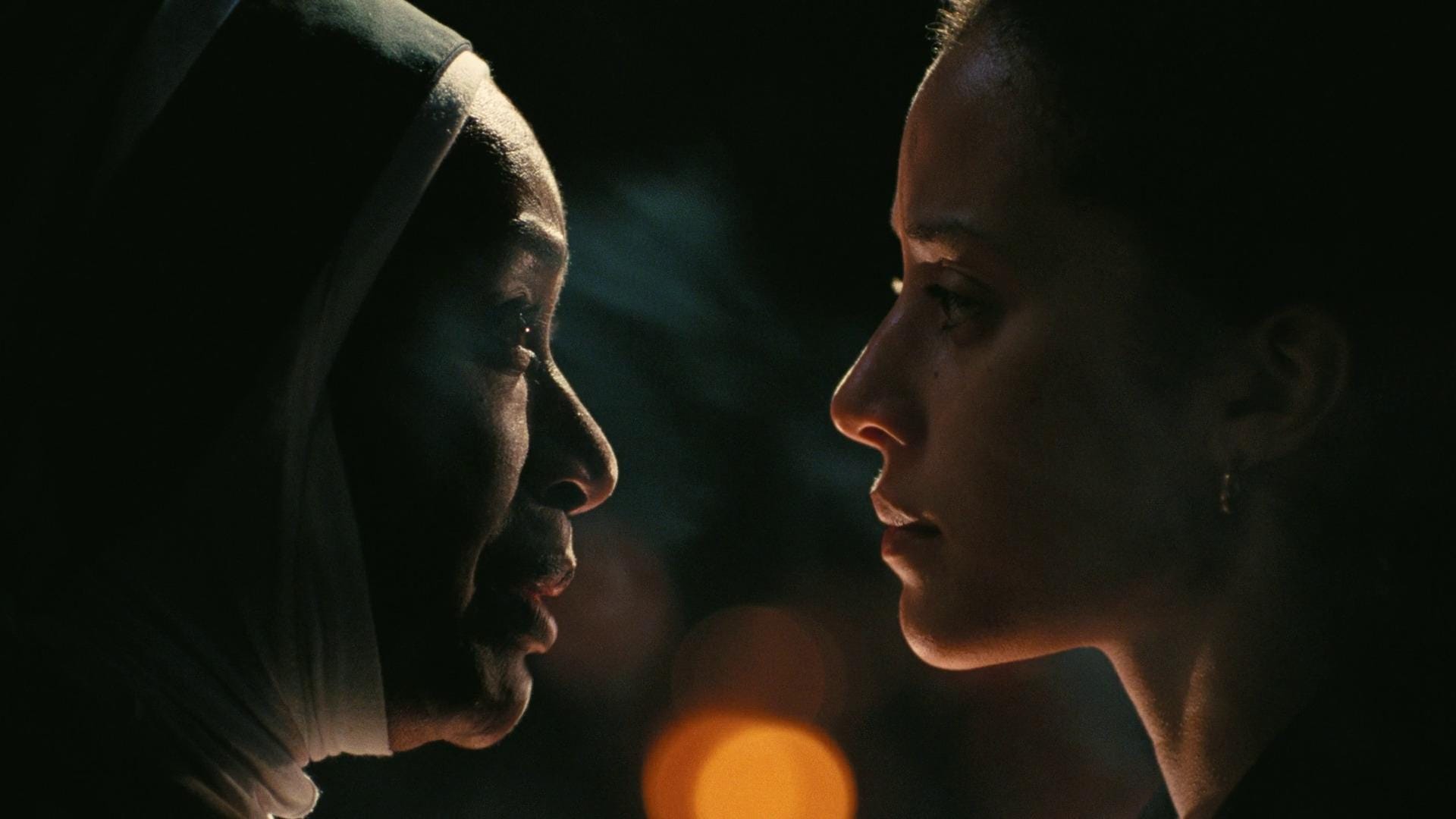
“Perfida Beverly Hills is a problem that keeps on giving. This revolution doesn’t need another one of her running around.”
But where a sometime messy and uneven view of parenthood that stems from a child and a single parent often times is keep into their personal circle, the parenthood Bob and Willa had takes on a big scale, because of how it’s rooted into Lockjaw and his crew knows the fight Bob had been apart of (and some extent is still apart of), and thus leaves Bob and Willa to take whatever matters head on, not only in relationship to the shithole this world is in, but also in their personal lives as too.
But to pop that question from earlier in this analysis. What does it mean for WIlla?
For Willa, her views on her parents have been shattered. Between Perfida not being the hero she thought she was and instead being a rat, and her finding that Lackjaw, the guy who, a few moments ago, upon meeting him, just spat in his face with no fear (like Tom fucking Cruise), is her actual birth father because of the DNA test he ran to make sure it is. Leaving her worldview of who her parents to be nothing but a lie, and thus leaving Lockjaw in the role of being a forceful/controlling father of sorts, but it’s only an excuse to get himself involved with the stupid club he wants to be a member of. Not actually caring for Willa as his “own daughter”.
Then, in one of the most effective scene transitions ever to put in a film in recent memory, we see Bob express how much of a failure of a father he was to Willa. He never knew how to properly take care of her and do girly things, such as do her hair as her mother would.
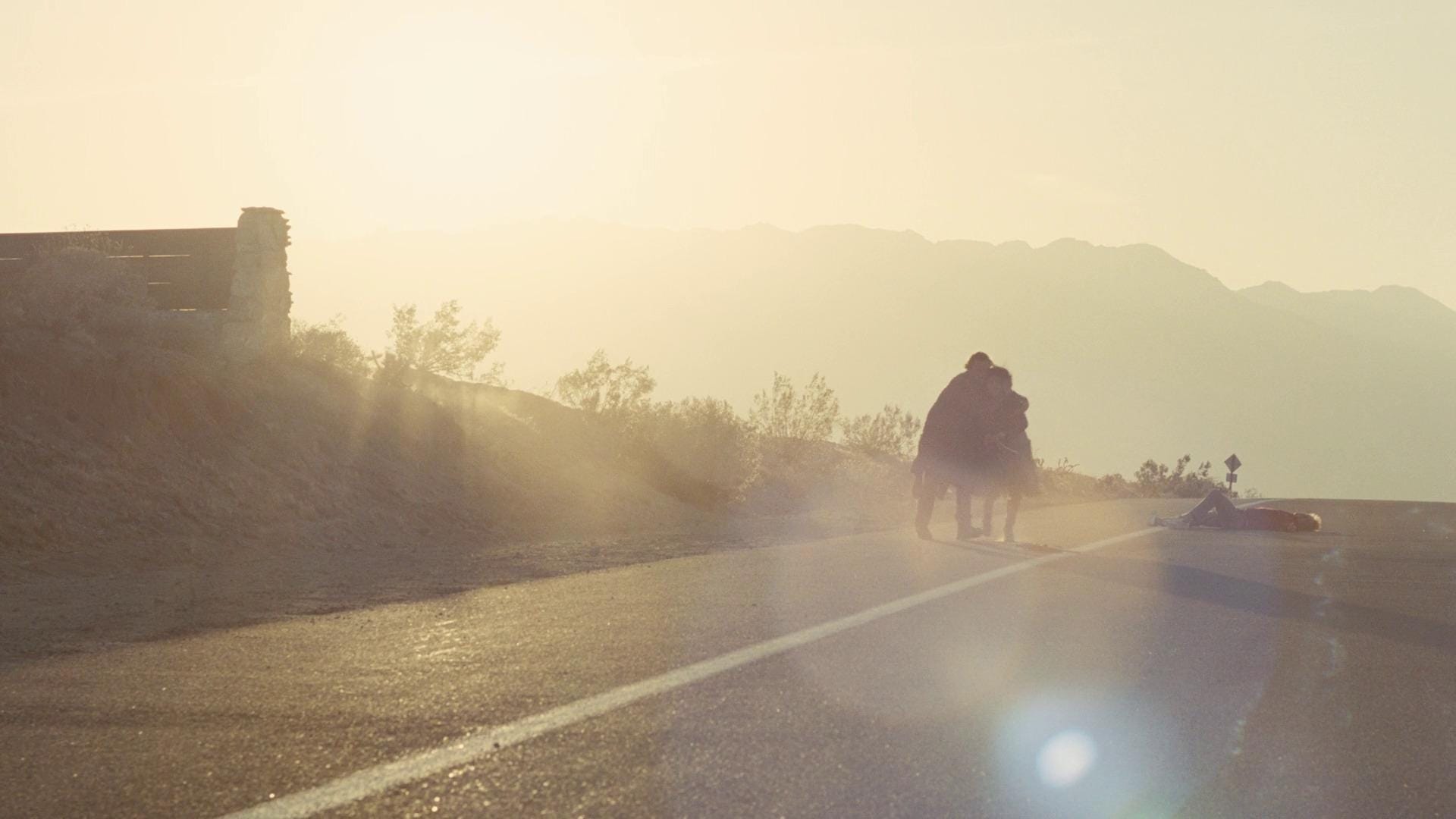
“I don’t know how to do her hair right”
The way Anderson had those two scenes back-to-back shows what parenthood means to Bob and Lockjaw and how they want to raise Willa. One who wants her out of his own dominance force and to gain satisfaction he wouldn’t get otherwise, and the other who wants her because he cares about her with all the love and heart he gave to her, even at his worst. Two fathers, going for the same goal but for completely different reasons.
This leads to the type of parenthood that inserts itself into the children at large. Because of the skills, knowledge, and wisdom Bob and Perfida had during their time in the French 75, they have put that into Willa’s ability to fight, stand firm on her beliefs, and, with the guidance of people such as Sensei, Deandra, and the Sisters of the Brave Beavers, she’s willing to save herself and take down the remaining Christmas Adventurer coming to kill her. While showing Bob a lesson he hadn’t thought of himself during his time as a revolutionary fighter. That there’s always a reason to fight, and it shouldn’t be put on hold because of something else is going on in your life. The two of them embrace each other when they are reunited again, even with Willa doubting Bob’s intentions after finding out that he isn’t her “birth” father, and they drive off. Holding on to each other for dear life, they can be father and daughter once more. As well as letting Willa know that, even though Bob and Perfida are not perfect people, they did everything they could to make sure she carries out the legacy they set for her, and even do better than they ever could without fear.
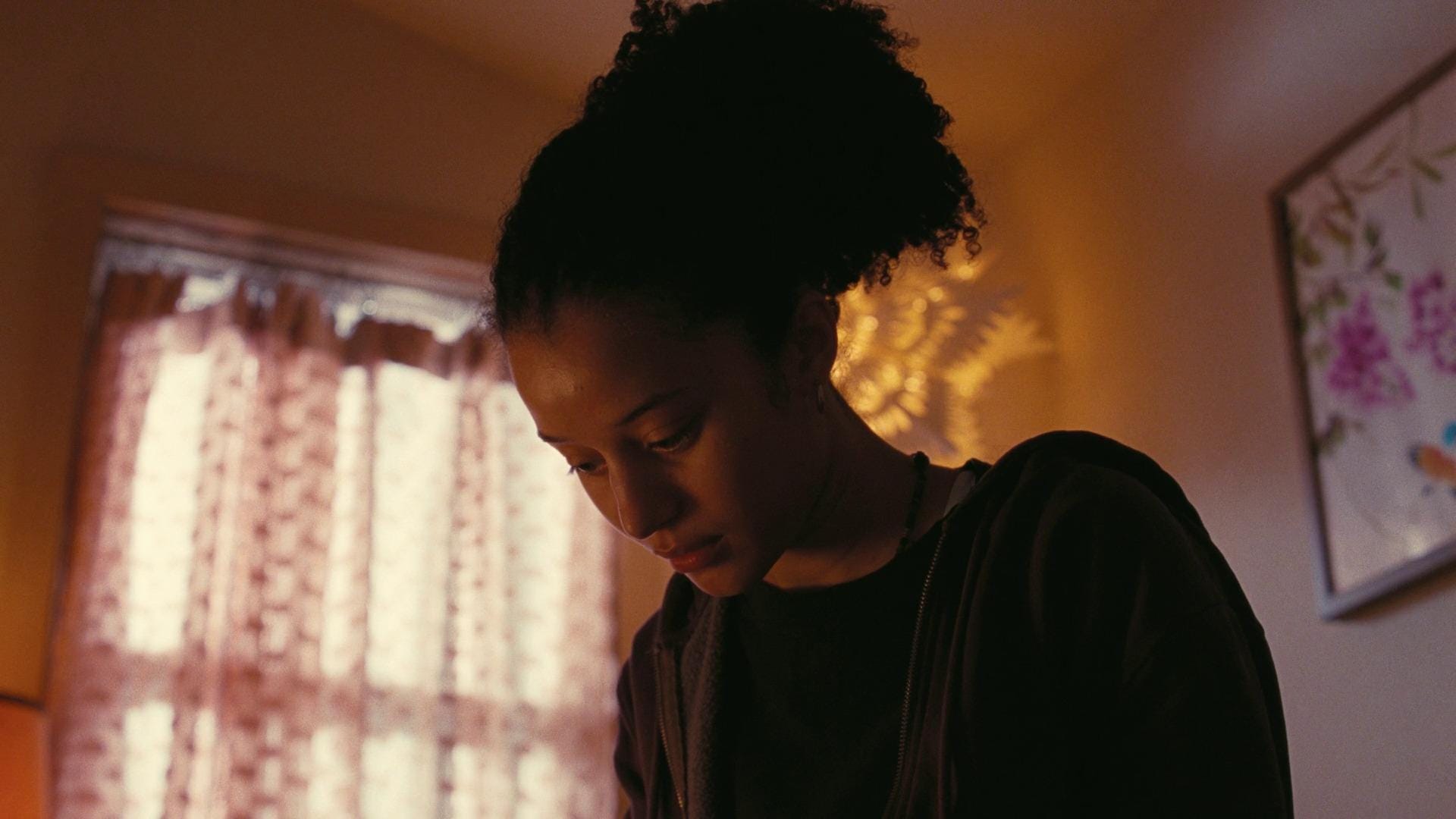
“Will you try to change the world as I did?. We failed. Maybe you will not. Maybe you will be the one who puts the world right.”
This is a film about the failure of being a proper parent, and how that failure can affect the child at large. But it’s also a film that’s about how said failures can lead to the next generation learning those failures and carry on that flame, while understanding that they need to make the path that will define their own legacy with the help of those who believe in the same path, even the parents who originally failed/not understand their child at large. That’s what Paul Thomas Anderson is getting out with this film, and while I’m very excited and curious to see what he’s going to follow up this film with (especially after him finally getting the Oscar love he should have gotten multiple times already), part of me would’ve been just as happy if this was indeed the final film we’re going to get from him. As a sort of meta way to say that it’s time for the next generation to take the lessons from the past and do better than we ever could, and that’s part of the reason why this film will continue to carry on for generations to come.
"I wrote this movie for my kids, to say sorry for the housekeeping mess that we left in this world we're handing off to them." - Paul Thomas Anderson during his Best Adapted Screenplay acceptance speech at this year's Oscars
Also, I want to give shoutout to my good friend, Erik Bruke (aka theburkenation) for taking an early look for feedback and suggestions. I really appreciate it, and I recommend following him for some really good takes on his Letterboxd account.
If you want more of my taste in films, feel free to follow my Letterboxd account.